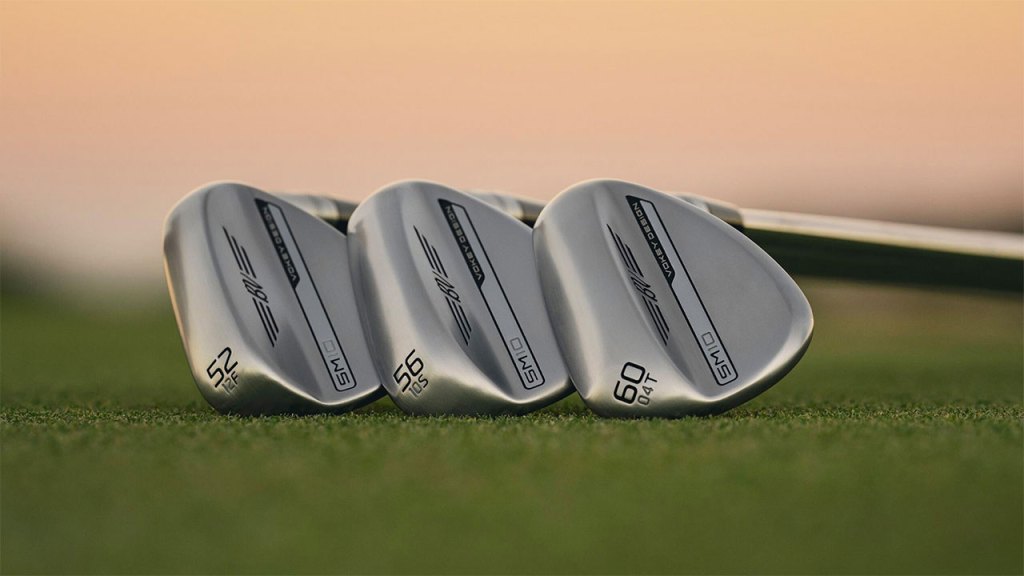
Confused about golf wedge bounce and grind? Learn how to choose the right wedge settings for your swing, course conditions, and playing style. Improve your short game and lower your scores with our ultimate wedge guide!
When it comes to selecting the right golf wedges, golfers often focus on loft and brand. However, an equally important factor—often overlooked—is the bounce and grind of the wedge.
You may have heard of wedge bounce and grind settings, but what do they actually mean? How do they affect your short game? And which bounce or grind best suits your playing style and course conditions?
In this guide, we’ll break down what bounce and grind are, how they impact your shots, and how to choose the best option for your game.
What Is Wedge Bounce?
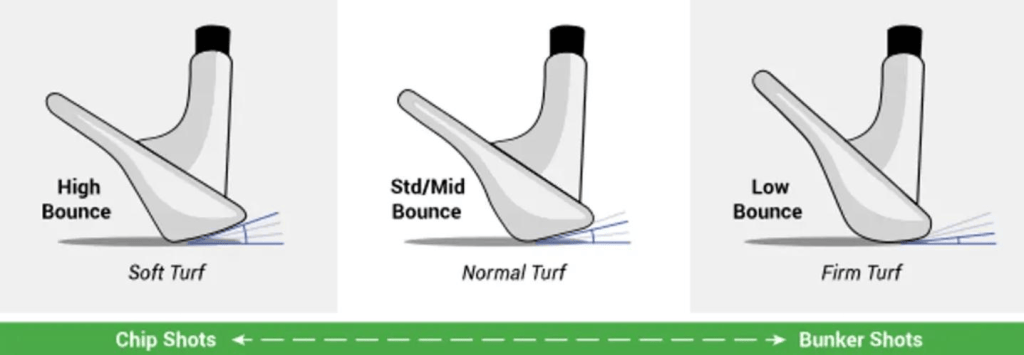
Wedge bounce refers to the angle between the leading edge of the clubface and the lowest point of the club’s sole. It determines how the club interacts with the turf or sand when striking the ball.
Types of Wedge Bounce: Low, Mid, and High
Low Bounce Wedges (4-6°)
• Best for: Golfers with a shallow attack angle who take little to no divot (a “sweeper” swing).
• Common Lofts: 54°-62° (sand and lob wedges).
• Ideal Conditions: Firm, dry courses with tight lies (hotter climates).
Why choose low bounce?
✅ Allows the club to glide under the ball easily.
✅ Prevents excessive digging for players with a shallow divot.
✅ Ideal for bunker shots from firmer, compact sand.
Potential drawback:
❌ Golfers with a steep angle of attack may struggle with thin shots using a low-bounce wedge.
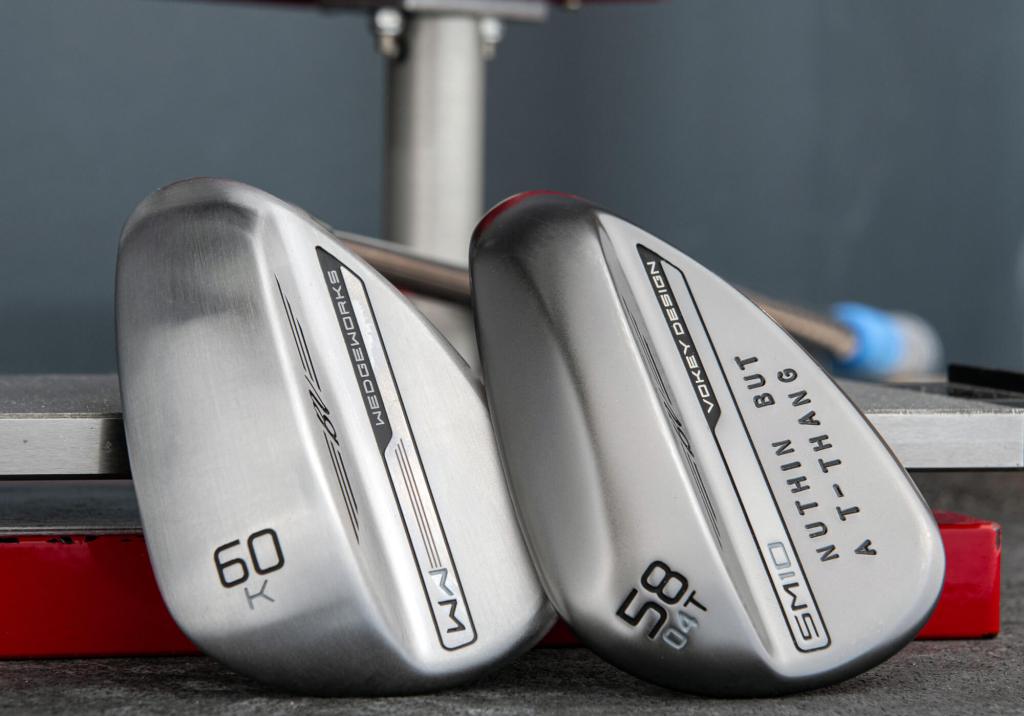
Mid Bounce Wedges (8-12°)
• Best for: Players with a moderate attack angle and a standard divot.
• Common Lofts: 50°-60°.
• Ideal Conditions: Versatile—performs well in both soft and firm conditions.
Why choose mid bounce?
✅ Balances forgiveness and shot control.
✅ Works well for golfers playing in varying conditions (e.g., UK courses where weather changes frequently).
✅ The most popular bounce option among golfers.
Potential drawback:
❌ May not be specialized enough for extreme conditions (e.g., very firm or very soft lies).
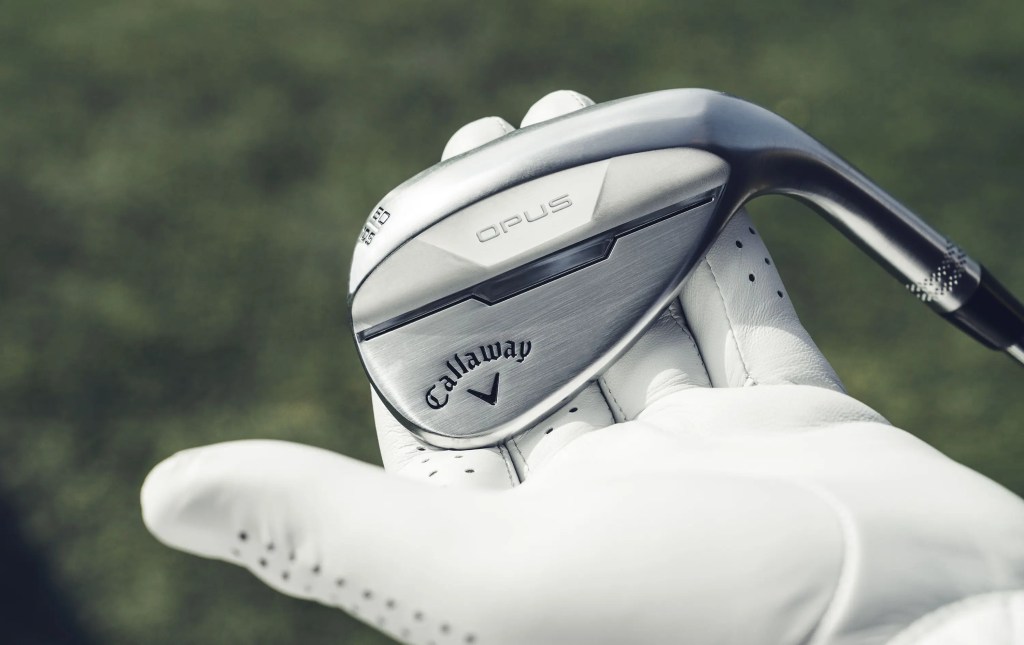
High Bounce Wedges (12°+)
• Best for: Golfers with a steep angle of attack who take large divots.
• Common Lofts: 48°-60°.
• Ideal Conditions: Soft, wet courses where the turf is lush.
Why choose high bounce?
✅ Prevents the club from digging too deep into soft turf or fluffy sand.
✅ Provides extra forgiveness, making it a great choice for beginners or those who struggle with consistent ball striking.
✅ Works well for bunker shots in softer sand.
Potential drawback:
❌ Not ideal for firm conditions—players may struggle to get clean contact if the leading edge sits too high.
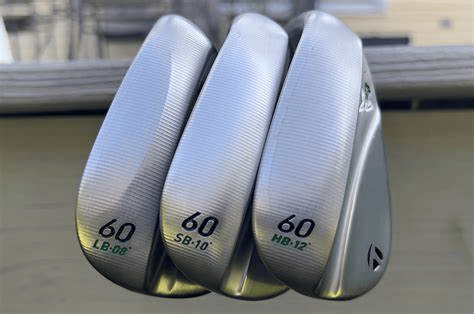
What Is Wedge Grind?
Wedge grind refers to the shaping of the sole (bottom) of the club, which affects how it interacts with the ground. Different grinds alter the bounce and allow for shot versatility.
Here’s how different grinds correspond to low, mid, and high bounce wedges:
Best Grinds for Low Bounce Wedges
| Brand & Model | Bounce | Best For |
| Titleist “T” Grind | 4° | Firm conditions, bunkers with less sand, shallow divots |
| Callaway “T” Grind | 6° | Precision shot-making, keeping the leading edge low |
| TaylorMade “LBV” Grind | 7° | Skilled players who manipulate face angles for spin |
💡 Low bounce grinds are ideal for advanced players who prefer shot control on tight lies.
Best Grinds for Mid Bounce Wedges
| Brand & Model | Bounce | Best For |
| Titleist “S” Grind | 10° | Neutral attack angles, square-faced shots |
| Callaway “S” Grind | 10° | All swing types and conditions, simple shot execution |
| TaylorMade “SB” Grind | 12° | Smooth turf interaction, prevents excessive digging |
💡 Mid bounce grinds offer versatility and suit a wide range of golfers and course conditions.
Best Grinds for High Bounce Wedges
| Brand & Model | Bounce | Best For |
| Titleist “D” Grind | 12° | Steep attack angles, variety of face positions |
| Titleist “K” Grind | 14° | Ultimate bunker play, soft turf conditions |
| TaylorMade “HB” Grind | 14° | Forgiving sole, preferred by skilled players like Rory McIlroy |
💡 High bounce grinds are best for golfers who need extra forgiveness and turf interaction in softer conditions.
How to Choose the Best Wedge Bounce & Grind for Your Game
✅ Consider Your Swing Type
✔ Shallow divot? → Low bounce wedge.
✔ Medium divot? → Mid bounce wedge.
✔ Steep divot? → High bounce wedge.
✅ Think About Course Conditions
✔ Firm, dry turf? → Low bounce.
✔ Mixed conditions? → Mid bounce.
✔ Soft, wet turf? → High bounce.
✅ Assess Your Playing Style
✔ Do you like to open the clubface for flop shots? → Consider a grind with heel relief.
✔ Do you prefer a square clubface for consistent shots? → A simple grind like the “S” grind may work best.
💡 Pro Tip: Get Professionally Fitted
The best way to ensure the right bounce and grind settings is through a custom wedge fitting. This helps match your wedges to:
🔹 Your swing type
🔹 Your climate & course conditions
🔹 Your feel & shot preference
Conclusion
Understanding golf wedge bounce and grind can help you make smarter decisions when selecting wedges for your bag.
✅ Low bounce wedges work best for sweepers and firm conditions.
✅ Mid bounce wedges offer versatility for a variety of golfers.
✅ High bounce wedges provide forgiveness for steep angles of attack and soft conditions.
For better consistency, spin, and turf interaction, getting custom fitted is the best approach. By choosing the right bounce and grind, you’ll feel more confident around the greens and improve your short-game performance —leading to lower scores!
 The Golfer's Arc
Leave a comment